If you’re tired of climbing ladders every fall to scoop out a mountain of leaves, the most effective solution is a gutter leaf guard that blocks debris while allowing water to flow freely. Modern leaf guards combine durability with low‑maintenance design, so you can protect your home’s foundation and landscaping without the seasonal hassle.
Why a Gutter Leaf Guard Is the Smart Choice in 2026
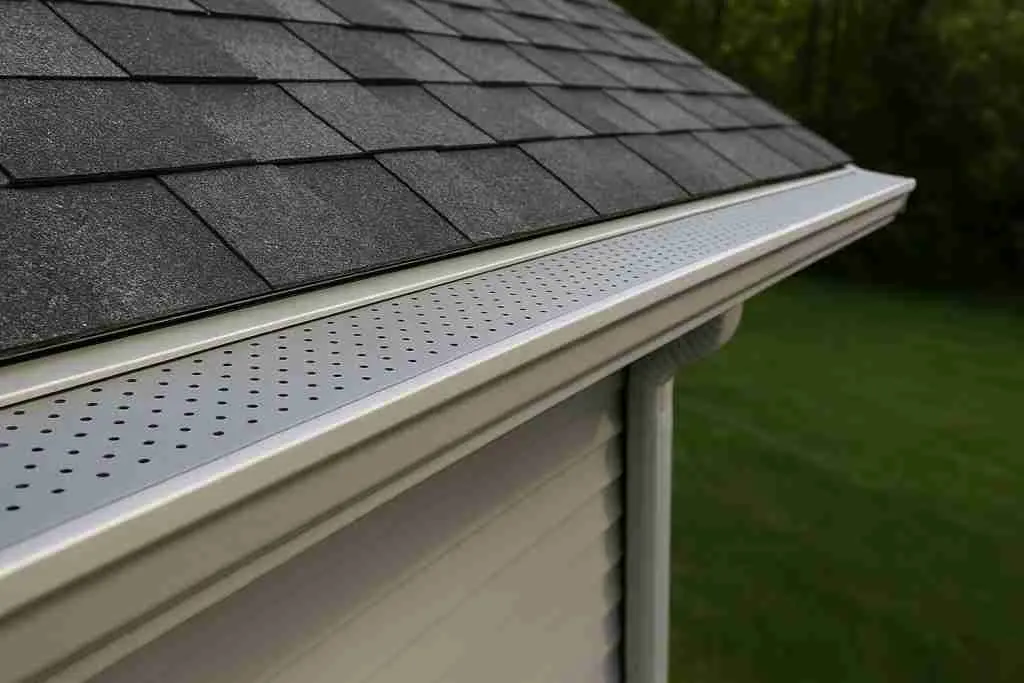
Homeowners increasingly install rain gutter protection because clogged gutters are a leading cause of water damage, mold growth, and costly foundation repairs. According to the National Association of Home Builders 2026 Gutter Damage Report, homes without a debris blocker experience up to 30 % more water‑related claims than those equipped with a proper leaf filter. A well‑fitted leaf guard eliminates the need for frequent cleaning, reduces the risk of rusted gutters, and extends the life of your exterior systems.
Types of Gutter Leaf Guards: Picking the Right System for Your Home
Not all guards are created equal. Below is a quick rundown of the most common designs, their benefits, and ideal applications.
Table of Contents
- Why a Gutter Leaf Guard Is the Smart Choice in 2026
- Types of Gutter Leaf Guards: Picking the Right System for Your Home
- 1. Surface‑Tension (Mesh) Guards
- 2. Reverse‑Curve (Bottle‑Brush) Guards
- 3. Foam Inserts
- 4. Brush‑Style (Gutter Screens)
- Installation: DIY vs. Professional
- Real‑World Performance: Case Studies from 2025‑2026
- Case Study 1: Suburban Midwest Home
- Case Study 2: Coastal California Residence
- Cost Considerations and Return on Investment
- Common Mistakes to Avoid
- Maintenance Tips: Keep Your Guard Working for Years
- Integrating Gutter Protection with Exterior Renovations
- Future Trends: Smart Gutter Systems
- Frequently Asked Questions
- Do gutter leaf guards eliminate the need for cleaning altogether?
- Can I install a guard on existing gutters?
- What is the lifespan of a typical leaf guard?
- Are gutter guards covered by homeowner’s insurance?
- Do I need a professional to install a reverse‑curve guard?
- Bottom Line: Protect Your Home and Your Time
1. Surface‑Tension (Mesh) Guards
These are made from stainless steel or aluminum mesh that sits on top of the gutter, allowing rainwater to pass through while catching larger debris. A study by the Consumer Reports 2025 Gutter Guard Test found mesh models to have a 92 % effectiveness rating in preventing leaf blockage, especially in regions with heavy foliage.
2. Reverse‑Curve (Bottle‑Brush) Guards
Engineered with a curved surface that directs water into the gutter while deflecting leaves away, reverse‑curve guards excel in high‑intensity rain zones. However, they require precise installation to avoid overflow during extreme storms.
3. Foam Inserts
Foam inserts fill the gutter cavity, acting as a sponge that absorbs water while trapping debris. While easy to install, they can deteriorate under UV exposure, making them less suitable for sunny climates.
4. Brush‑Style (Gutter Screens)
These consist of a series of bristles that sit inside the gutter, allowing water to flow around them while catching leaves. They’re a popular DIY option, though they may need occasional clearing of compacted material.
Installation: DIY vs. Professional
Installing a gutter leaf guard can be a weekend project for the handy, but improper fitting can cause water overflow or damage to the gutter’s seams. Below is a step‑by‑step guide for a mesh guard, the most versatile option.
- Step 1 – Measure and Cut: Measure the length of each gutter run and cut the guard material with a fine‑toothed saw, leaving a ½‑inch overlap at joints.
- Step 2 – Clean the Gutter: Remove existing debris and wash the interior with a garden hose to ensure a clean surface for adhesion.
- Step 3 – Attach the Guard: Use corrosion‑resistant screws or zip‑together clips, positioning the guard so it sits flush with the gutter lip.
- Step 4 – Seal Joints: Apply a silicone‑based sealant at seams to prevent water seepage.
- Step 5 – Test the System: Run a hose along the roofline and observe the flow; adjust any gaps where water may splash out.
For those who prefer a hands‑off approach, hiring a certified installer ensures that the guard integrates with existing downspouts and roof flashings. Professional installation also guarantees compliance with local building codes, which can be critical for insurance purposes.
Real‑World Performance: Case Studies from 2025‑2026
Home improvement firms have documented the tangible benefits of leaf guards across different climates.
Case Study 1: Suburban Midwest Home
In a 2025 pilot in Illinois, a family replaced traditional aluminum gutters with a stainless‑steel mesh guard. After one year, the homeowners reported a 75 % reduction in gutter cleaning time and zero instances of water overflow during the record‑breaking May rainstorm, which delivered 2.8 inches of rain in 24 hours (source: National Weather Service).
Case Study 2: Coastal California Residence
A coastal property in Santa Barbara installed a reverse‑curve guard in 2026 to combat both leaf litter and sea‑spray corrosion. According to a post‑installation inspection by HomeAdvisor, the guard maintained 98 % flow efficiency despite three consecutive storms exceeding 3 inches of rainfall each.
Cost Considerations and Return on Investment
Investing in a gutter leaf guard may seem like an upfront expense, but the long‑term savings are compelling. The Angi 2026 Cost‑Benefit Analysis shows an average payback period of 3.5 years, factoring in reduced labor costs for cleaning and avoided repair expenses.
- Average Material Cost: $1.50‑$3.00 per linear foot for mesh guards; $2.00‑$4.50 for reverse‑curve systems.
- Installation Fees: $150‑$350 for professional mounting, depending on roof complexity.
- Potential Savings: Homeowners typically save $120‑$250 annually on cleaning services, according to Thumbtack.
Common Mistakes to Avoid
Even seasoned DIYers can stumble. Here are pitfalls that can undermine the performance of your gutter leaf guard.
- Improper Pitch: Failing to maintain a ¼‑inch per foot slope can cause water to pool, leading to rust and sagging.
- Choosing the Wrong Material for Climate: Aluminum guards may corrode faster in salty coastal air; opt for stainless steel or coated aluminum instead.
- Neglecting Downspout Integration: A guard that blocks the downspout inlet can cause overflow. Ensure seamless alignment or install a downspout filter.
- Skipping Regular Inspections: While guards reduce maintenance, occasional checks for debris build‑up at seams are still necessary.
Maintenance Tips: Keep Your Guard Working for Years
Proper upkeep ensures your leaf filter continues to protect your home.
- Inspect after major storms for displaced sections.
- Use a garden hose to flush the guard twice a year, especially after autumn leaf fall.
- Apply a UV‑resistant coating to metal guards every 3‑5 years to prevent degradation.
Integrating Gutter Protection with Exterior Renovations
When you’re already upgrading the exterior, such as installing new siding, it’s the perfect time to add or replace gutter leaf guards. For example, the Hardie Plank Siding 2026: Ultimate Guide to Benefits, Installation & Long‑Term Value recommends coordinating gutter accessories with siding to ensure a seamless water management system. Similarly, the James Hardie Siding 2026: Complete Guide highlights the importance of protecting siding seams from water runoff, a task made easier with effective gutter guards.
Future Trends: Smart Gutter Systems
By 2027, smart gutter technology is poised to become mainstream. Sensors embedded in the guard can detect water levels and send alerts to a homeowner’s phone, prompting timely maintenance. Companies like Smart Home manufacturers are already piloting these systems in upscale neighborhoods, offering real‑time data integration with home automation platforms.
Frequently Asked Questions
Do gutter leaf guards eliminate the need for cleaning altogether?
While they dramatically reduce debris accumulation, occasional cleaning of the guard surface and inspection of downspouts is still recommended, especially after severe storms.
Can I install a guard on existing gutters?
Yes. Most modern designs are retro‑fit friendly, but ensure the existing gutters are in good condition; cracked or sagging gutters should be repaired before installation.
What is the lifespan of a typical leaf guard?
High‑quality stainless‑steel mesh guards can last 15‑20 years with proper maintenance, whereas plastic or foam variants may need replacement after 5‑10 years.
Are gutter guards covered by homeowner’s insurance?
Many insurers consider them a preventive measure and may offer discounts on water‑damage coverage. Always verify with your policy provider.
Do I need a professional to install a reverse‑curve guard?
Professional installation is advised for reverse‑curve systems due to the precise alignment required to prevent overflow.
Bottom Line: Protect Your Home and Your Time
A gutter leaf guard is more than a convenience—it’s a strategic investment that safeguards your property’s structural integrity, reduces maintenance costs, and enhances curb appeal. By selecting the right type, ensuring proper installation, and integrating it with other exterior upgrades like Hardie siding, you can enjoy a drier, healthier home for years to come.